We Provide the Foundation on which our Children can Flourish
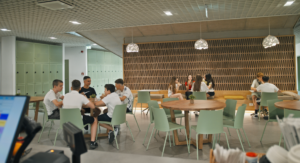
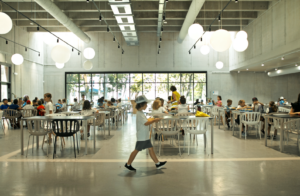
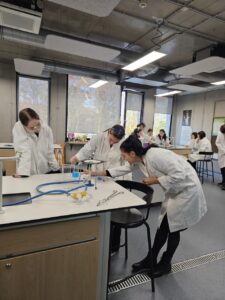
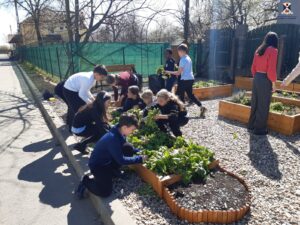
At British International School of Timisoara a structured and supportive environment helps students grow with confidence, developing both strong academic foundations and essential life skills.
In our school learning is not confined to the classroom — it is shaped through experiences, perspectives, and meaningful connections. We create an environment where students are encouraged to think independently, engage with the world around them, and grow into individuals who are both academically prepared and globally aware.
British International School of Timisoara is an authorised IB World School for the Diploma Programme.
The International Baccalaureate aims to develop inquiring, knowledgeable and caring young people who help to create a better and more peaceful world through intercultural understanding and respect. To this end the organization works with schools, governments and international organisations to develop challenging programmes of international education and rigorous assessment. These programmes encourage students across the world to become active, compassionate and lifelong learners who understand that other people, with their differences, can also be right.
Global opportunities start close to home
Our environment not only prepares students for top universities and future careers, but also helps develop a global perspective and essential life skills.
01Pathway to Higher Education
02National & International Recognition
03Cultural Exposure and Diversity
04Multilingualism
05Small class sizes
06Extracurricular activities
Pathway to Higher Education
With a British curriculum and a wide array of clubs and activities to choose from, we offer our students the unique opportunity of graduating with a portfolio of achievements recognised by top universities worldwide, including those in Romania.
National & International Recognition
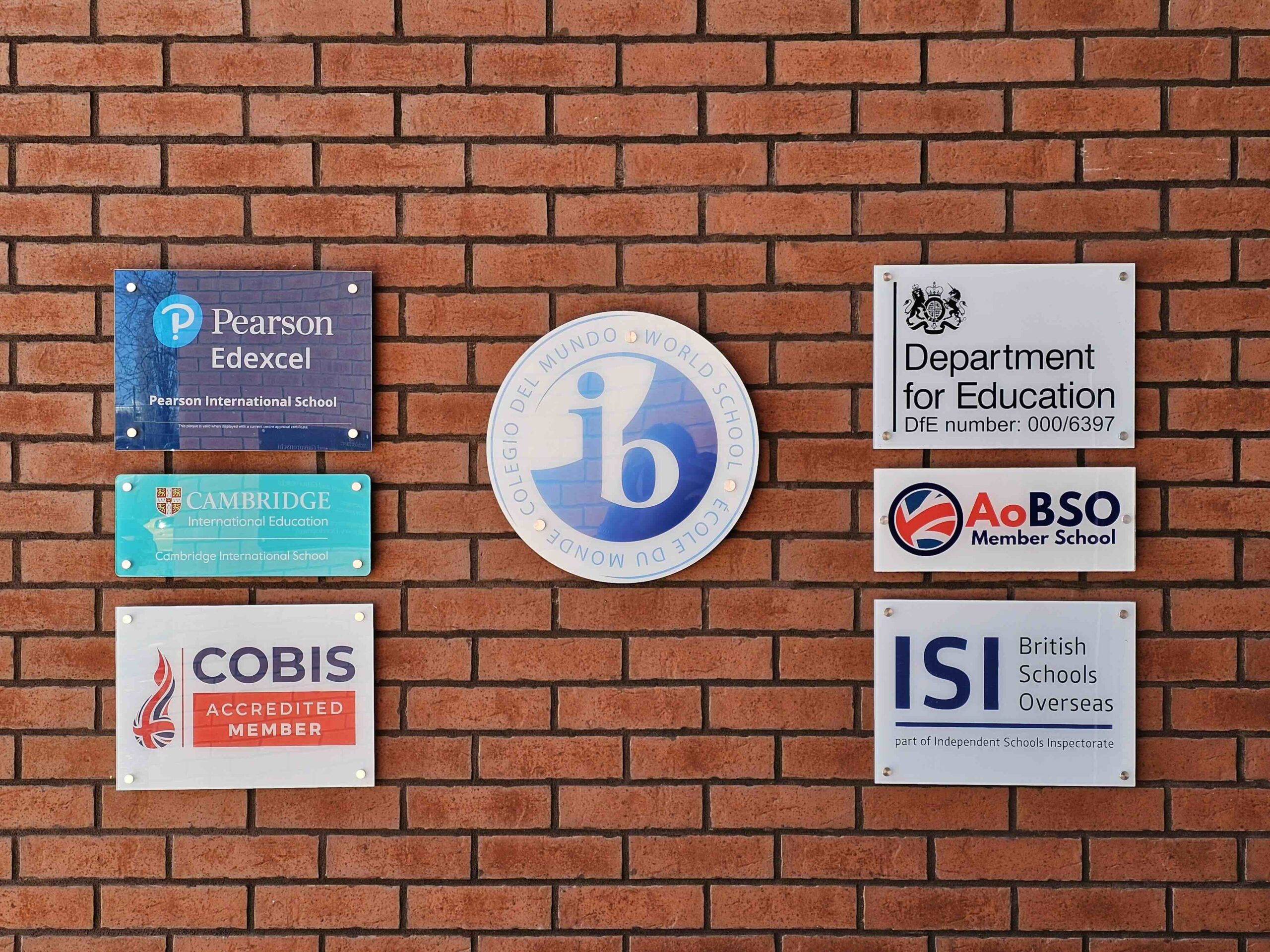
Our school is accredited and authorised by respected international educational bodies, ensuring that our programmes meet rigorous global standards. The qualifications our students earn are recognised worldwide, providing seamless access to leading universities and academic pathways across the globe.
Cultural Exposure and Diversity
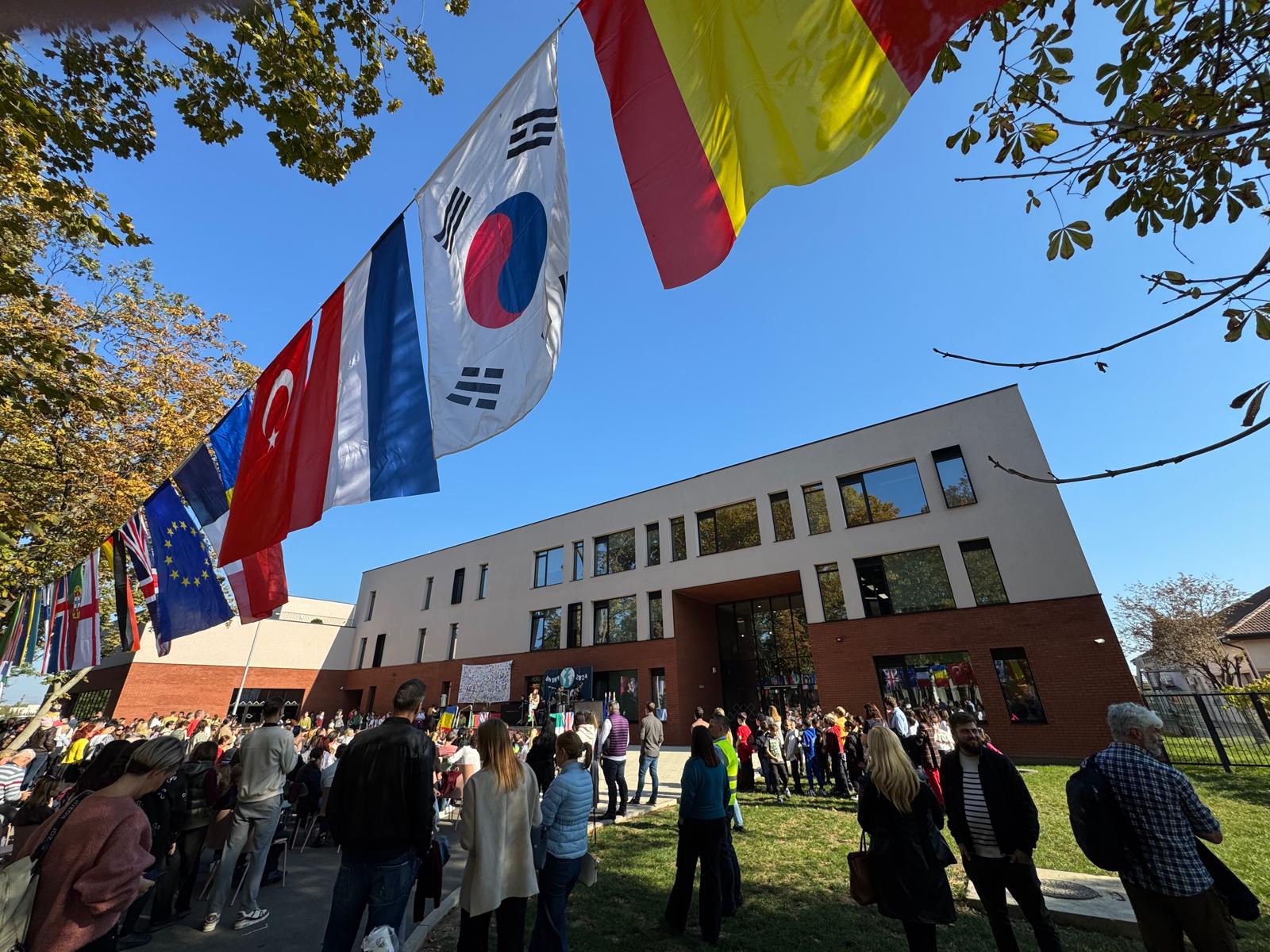
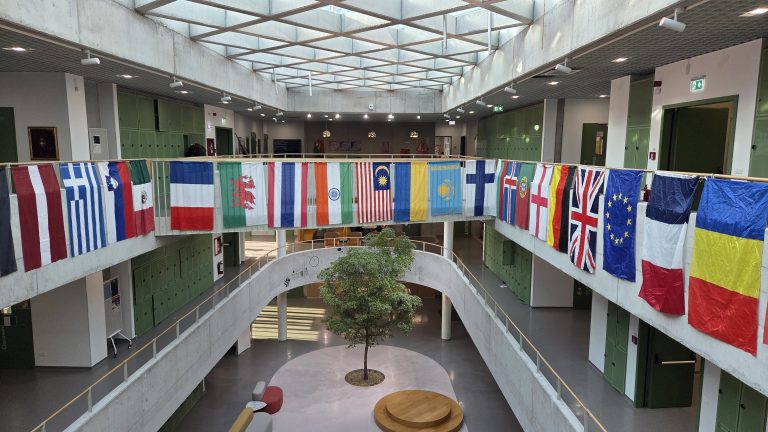
Our international faculty, multicultural student body, and global educational experiences provide students with authentic cultural exposure and a broadened worldview.
Multilingualism
As an IB World School, we place multilingualism and internationalism at the heart of our mission.
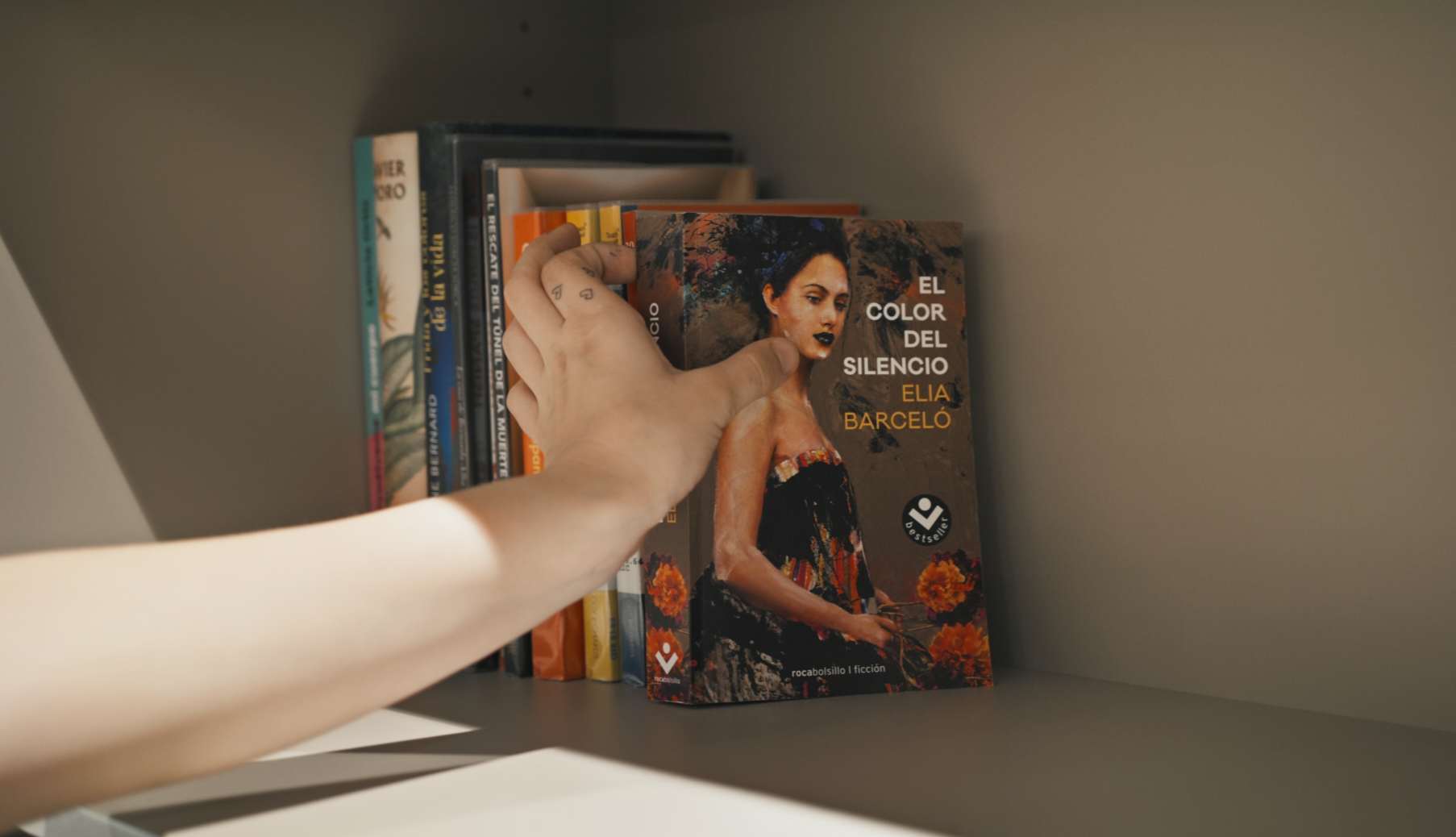
English is the language of instruction, preparing students for global academic pathways. Alongside English, students study Romanian and modern foreign languages such as German, French, and Spanish, strengthening both linguistic competence and intercultural understanding.
Small class sizes
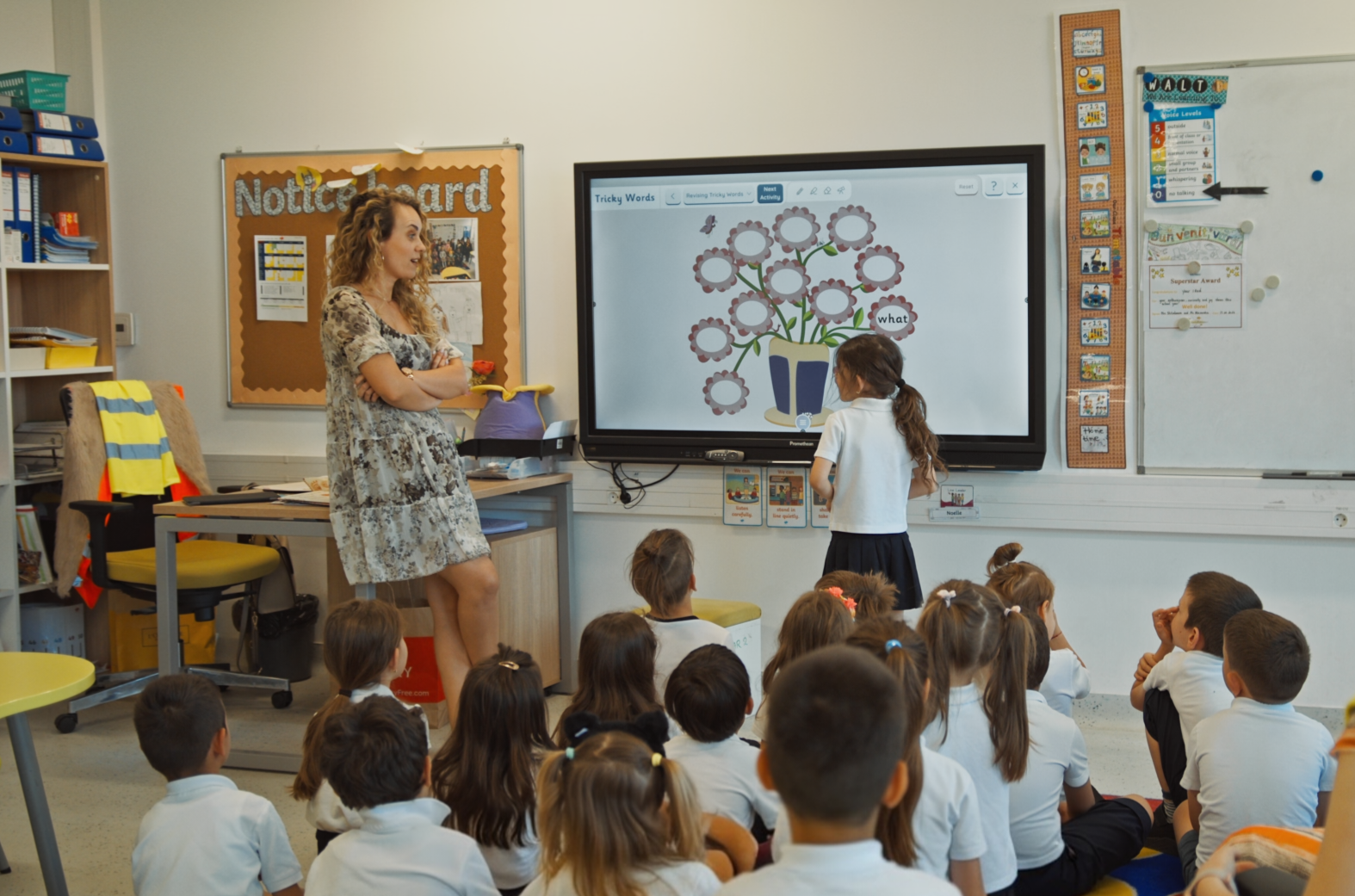
With a maximum of 22 students per class across the school, we create an environment where each student is supported. In Primary, the presence of both a teacher and a teaching assistant further enhances personalised learning and individual attention.
Extracurricular activities
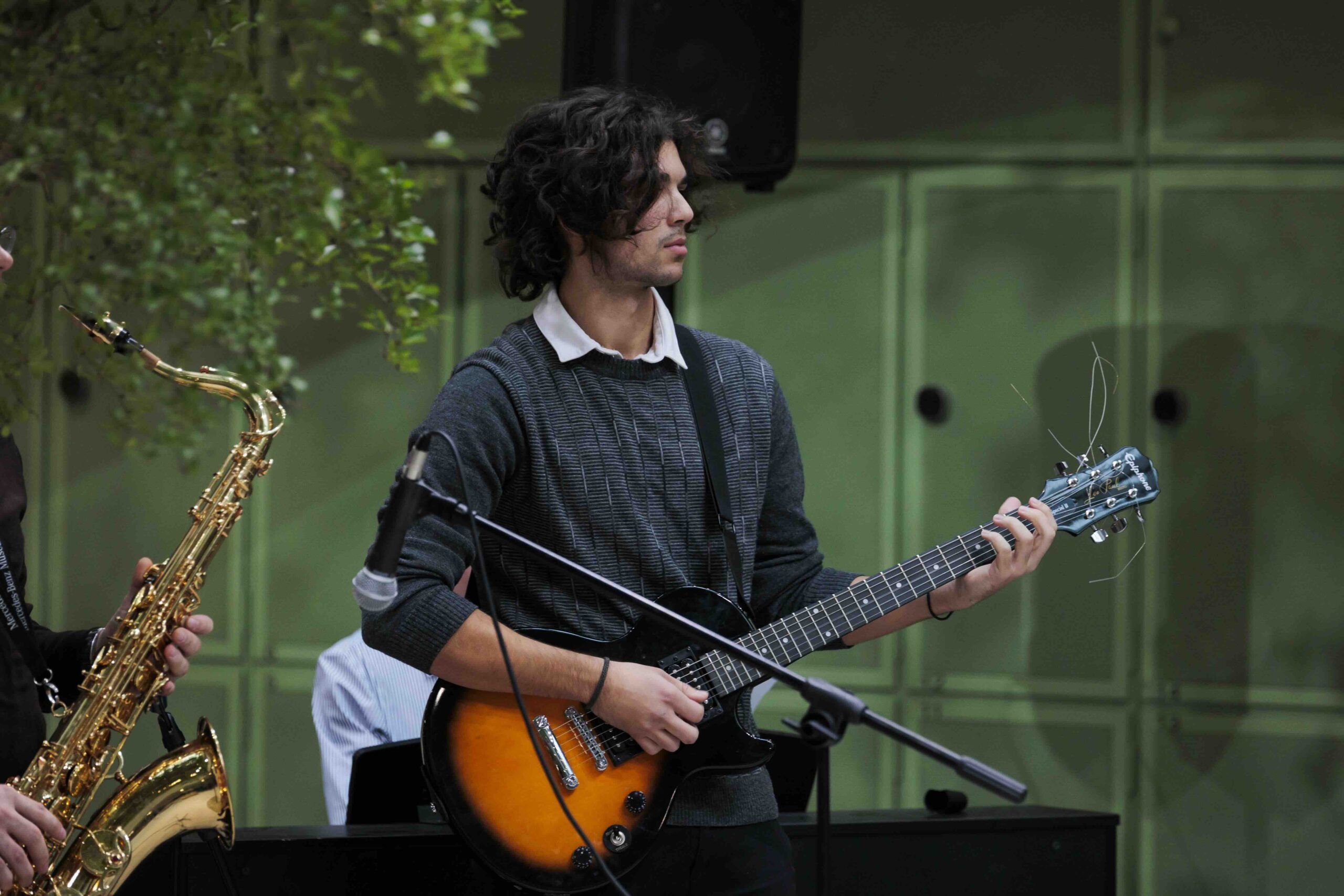
Our co-curricular programme provides opportunities for leadership, creativity, service, and collaboration — ensuring that learning continues beyond the classroom in purposeful ways.
Your journey to greatness
British International School of Timisoara offers a continuous journey towards global opportunities.
PRIMARY SCHOOL
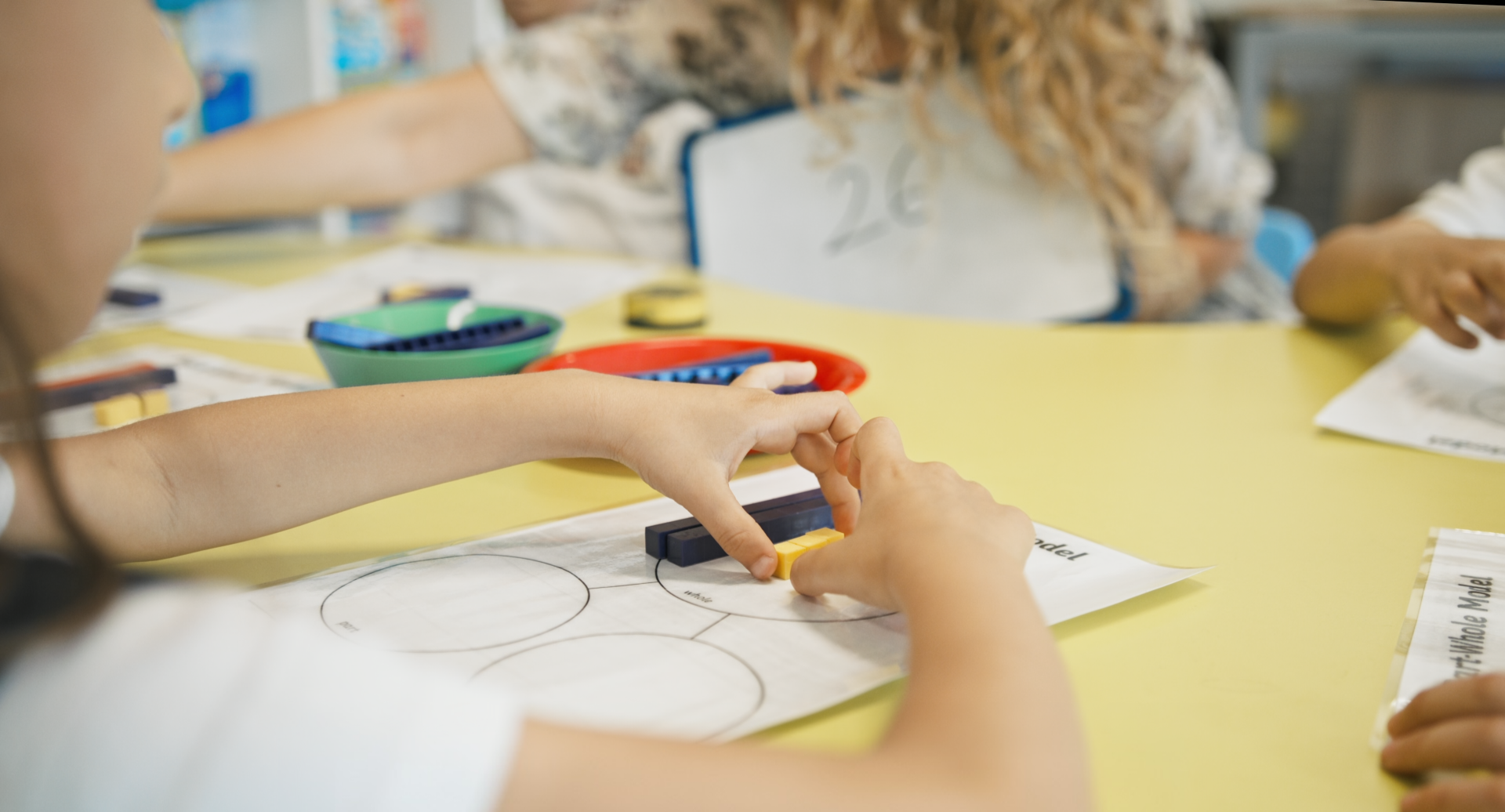
Discovering the World through Play
Learning is built around Exploration and Play. Our youngest students develop essential academic foundations while growing in Confidence, Creativity and Independence, gradually discovering the world around them and their place within it.
SECONDARY SCHOOL
Discovering Strengths and Shaping Direction
As students move into Secondary School, academic expectations grow and subject choices expand. Through deeper Study, Competitions, Leadership opportunities and wider involvement in school life, students develop their skills, discover new passions and begin defining their academic and personal Direction.
HIGH SCHOOL
Independence, Specialisation and Future Pathways
Starting Year 12, students pursue either the IB Diploma Programme or A-Levels, choosing subjects aligned with their strengths and University ambitions. Greater Independence, Leadership and real-world experiences prepare them for the transition to higher education and the opportunities that lie ahead.
Student Life
Learning That Extends Beyond the Classroom
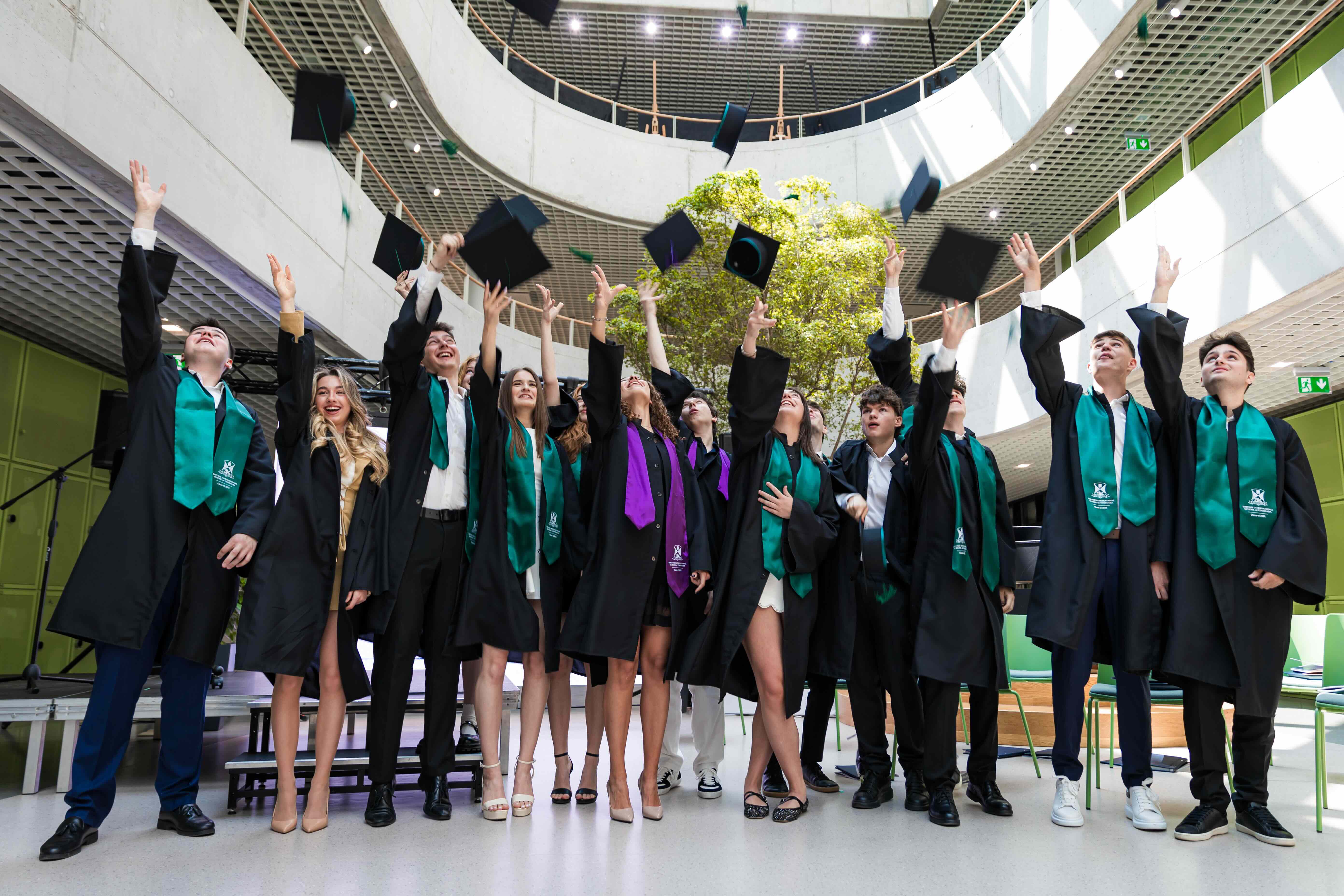
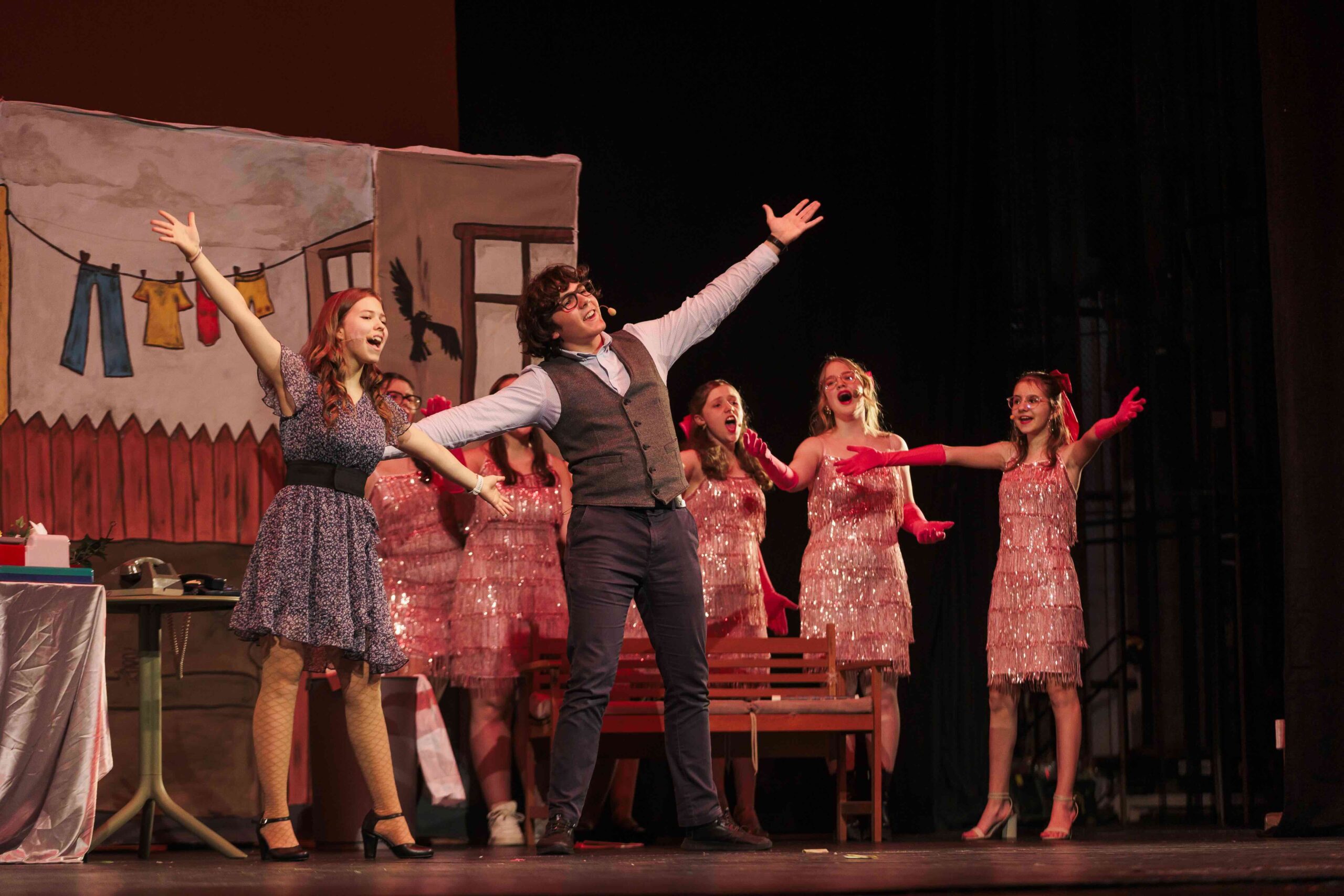
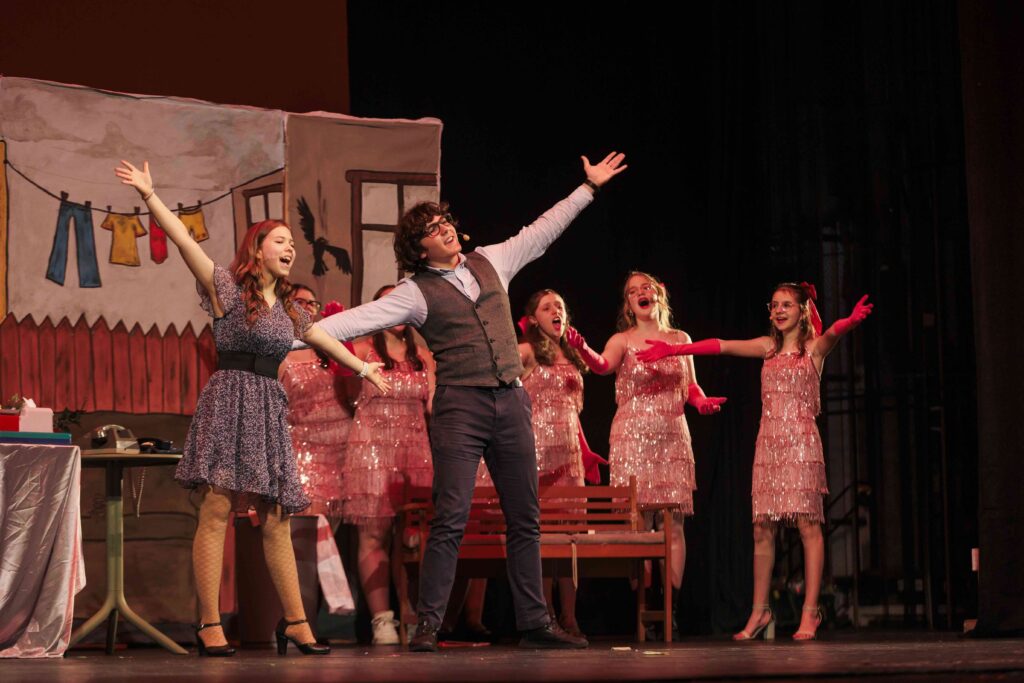
Student development continues through Clubs, Competitions, Sports teams, Performances, Leadership opportunities and Volunteering. These experiences allow students to explore their interests, build confidence and develop the skills that shape them far beyond academic learning.
Choosing the right school is an important decision.
We encourage families to learn as much as possible about our programmes, community and educational approach.
01
Is the diploma obtained at BIST recognised in Romania?
Yes. All qualifications earned by our students are internationally recognised and eligible for formal recognition in Romania through the national equivalence process. This allows graduates to apply to universities both in Romania and abroad.
02
Can my child join during the school year?
Mid-year admissions may be possible depending on availability in the relevant year group. Each application is reviewed individually to ensure a smooth transition and appropriate academic placement.
03
Can families visit the school before applying?
Yes. We encourage families to visit the school to explore the campus, observe learning in action and meet members of our teaching and admissions team.
04
What curriculum does the British International School of Timisoara follow?
British International School of Timisoara follows a British based international curriculum, complemented by the Cambridge International programme in key subjects, up until Year 9.
In Key Stage 4 (Year 10 and 11) students follow the Cambridge IGCSE programme (International General Certificate of Secondary Education), which is a two-year programme where students study three compulsory subjects (English, Mathematics and a Science), a foreign Language (French,
German or Spanish) and two other optional subjects. One of the aims of the KS4 curriculum is to ensure this is covering the compulsory required structure while at the same time, is personalised, becomes more flexible and in line with students’ specific options and potential.
In the final years, Key Stage 5 (Year 12 and 13) students choose between the IB Diploma Programme or the Cambridge Advanced Level (A Level) path provided by our school, internationally recognised qualifications that open doors to universities worldwide.
05
What is the admissions process?
The admissions process begins with a school visit or introductory meeting. Families submit an application form and supporting documents, after which students may complete an age-appropriate assessment. This helps ensure the school can provide the right academic environment and support for each child.
06
What languages are taught at BIST?
English is the language of instruction. Students also study additional modern foreign languages such as Spanish, German or French, alongside Romanian language studies.
07
What qualifications do students graduate with?
Students complete IGCSE examinations at the end of Year 11 and continuewith either the IB Diploma Programme or Cambridge Advanced Level (A Level). Both pathways are internationally recognised and widely accepted by universities around the world.
08
What extracurricular activities are available?
Students can participate in a wide range of activities including sports teams, music and arts programmes, clubs, academic competitions, Model United Nations, debate and leadership initiatives.
09
How do students prepare for university?
Students receive personalised academic and career guidance in Secondary School throughout the UCC programme (University and Career Counselling). This includes subject selection advice, university counselling, career talks and support throughout the university application process.
10
How does the school support students’ well-being?
Student well-being is supported through a strong pastoral care system, close relationships with teachers and a school environment that encourages respect, responsibility and personal growth.